Rubbish removal prices Elizabeth Street Belgravia
Posted on 27/08/2026
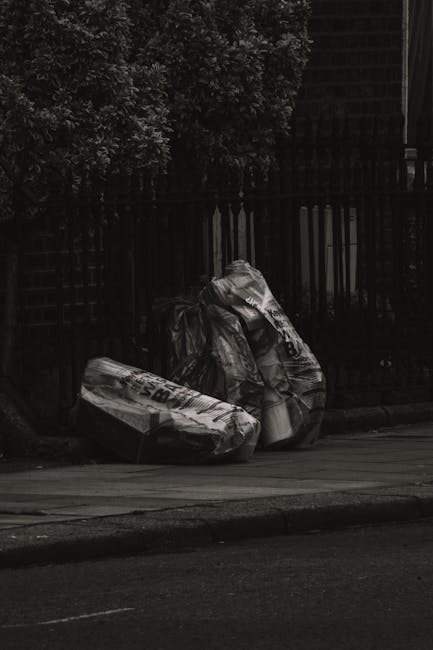
Rubbish removal prices Elizabeth Street Belgravia: a practical guide to costs, quotes, and value
If you are comparing rubbish removal prices Elizabeth Street Belgravia, you probably want a straight answer without the fluff: what affects the cost, what is actually included, and how do you avoid paying over the odds? Fair enough. In a place like Elizabeth Street, where property standards are high and access can be a little fiddly at times, rubbish removal is rarely just about "lifting a few bags". It is about timing, loading, sorting, disposal, and getting the job done cleanly with as little disruption as possible.
This guide breaks down the pricing factors in plain English, shows you how quotes are usually built, and helps you judge whether a price is sensible for the type of waste you need moved. You will also find a comparison table, a practical checklist, and a few real-world examples to make the whole thing easier to navigate. Let's face it, nobody enjoys guessing at waste costs.
Why rubbish removal prices Elizabeth Street Belgravia matters
Price matters everywhere, of course, but in Elizabeth Street and the wider Belgravia area, the impact of rubbish removal costs can be more noticeable because the work is often more time-sensitive and access-sensitive than people expect. A one-off flat clearance, a post-renovation tidy-up, or a shop refit on a busy street can all carry slightly different cost pressures.
The key thing is this: a cheap-looking quote is not always cheap in practice. If it excludes labour, loading, parking, stair carries, or disposal fees, the final bill can creep up quickly. On the other hand, a well-structured quote can save you time, stress, and repeat visits. That is especially useful if you are coordinating with builders, estate agents, tenants, or a building manager.
Elizabeth Street is also the kind of location where appearance counts. Waste left outside for too long, or a collection that drags into the middle of the day, can become awkward. So the real question is not just "what is the price?" but "what price gets the job done properly and discreetly?"
If you want a broader sense of how local services are structured, it can help to look at the services overview before you compare quotes. That gives useful context on what is usually covered and what may be treated separately.
How rubbish removal prices Elizabeth Street Belgravia works
Most rubbish removal pricing is based on a mix of volume, weight, labour, access, and waste type. In simple terms, the more difficult it is to remove, sort, and dispose of the waste, the more the job tends to cost. Not exactly thrilling, but it is the reality.
Here is how a typical quote is formed:
- Waste volume: how much space the rubbish takes up in a vehicle, often the biggest price driver.
- Waste type: general household waste, furniture, office items, garden waste, builder's rubble, or mixed waste may all be priced differently.
- Access: stairs, narrow entrances, shared hallways, basement storage, and limited parking can affect labour time.
- Manpower: if two people are needed instead of one, the cost often reflects that.
- Disposal route: different waste streams can require different handling and recycling processes.
- Timing: same-day or urgent collections can be priced differently from flexible bookings.
A decent provider will usually ask a few direct questions before confirming a price. That is a good sign. If someone offers a fixed number with no questions at all, be careful. It might be a bargain, or it might be missing half the work.
For example, a couple clearing out a one-bedroom flat after a move might only need a small load, but if the flat is on an upper floor with no lift and a tricky parking setup, the quote can look very different from a ground-floor job. The difference is not arbitrary; it is labour and logistics.
If your waste is from refurbishment or renovation work, you may also want to review builders waste disposal in Belgravia, because construction debris tends to follow different pricing and handling expectations from standard household rubbish.
Key benefits and practical advantages
People often focus only on cost, but there are some very real advantages to choosing a service that is priced clearly and sensibly. In our experience, that usually ends up being the better value overall.
- Less hassle: you are not hiring a van, asking favours, or trying to figure out disposal rules yourself.
- Faster clearance: a team can often remove a load in one visit rather than stretching the job over a weekend.
- Cleaner finish: rubbish is taken away from the property rather than lingering in a hallway or front garden.
- Better planning: clear pricing helps you budget, especially if you are renovating or moving.
- Reduced disruption: especially important in shared buildings, offices, and shopfronts.
There is also a softer benefit: peace of mind. You know the mess is gone, the space is usable again, and you are not left wondering whether you need a second round of collection. That is worth something, truth be told.
For homeowners, landlords, and small business owners alike, waste removal can free up time for more important jobs. You might use the spare hour to prep a property for viewings, sort inventory in a shop, or simply breathe for a moment. A small thing, but those small things add up.
To keep the process tidy from start to finish, it can help to understand recycling and sustainability practices. Separating recyclables from general waste can sometimes improve efficiency and reduce avoidable disposal costs.
Who this is for and when it makes sense
This topic matters to a few different people, and each group has slightly different needs. That is where many generic guides fall short.
Homeowners and tenants
If you are moving out, downsizing, or just reclaiming a spare room that has slowly become a storage cave, rubbish removal can be the quickest route back to order. It is especially useful when you have bulky items, old furniture, broken appliances, or mixed junk that would take ages to sort alone.
Landlords and letting agents
End-of-tenancy clearances often need speed and consistency. A property must look presentable quickly, and that means rubbish removal becomes part of the turnaround process. No landlord wants to discover a pile of abandoned items after the cleaners have already been in. Been there, regretted that.
Shops, offices, and hospitality businesses
For businesses, the pressure is usually operational. You want waste removed with minimal interruption, preferably before staff arrive or after trading hours. If you are dealing with shop stock, office furniture, old displays, or packaging waste, a structured service can be much easier than trying to manage it in-house.
Businesses in or near Elizabeth Street may also find it helpful to read about waste removal for shops and offices on Motcomb Street, since the working patterns and access issues are often similar across central Belgravia streets.
People managing renovations
If you are updating a bathroom, kitchen, or office interior, you are likely to end up with rubble, packaging, timber, and broken fittings. That is where price clarity matters most, because builders' waste can move from a small pile to a full load very quickly.
Step-by-step guidance
Here is a simple way to approach rubbish removal without overcomplicating it.
- Identify the waste type. Separate general waste, furniture, garden waste, electrical items, and building debris where possible.
- Estimate the volume. Think in terms of how much space the items would take in a van. A few bags is one thing; a sofa, wardrobe, and broken shelving unit is another.
- Check access. Note stairs, parking restrictions, loading points, lift access, and whether the items are inside or kerbside.
- Ask for an itemised quote. A good quote should explain what is included, not just display a single figure.
- Confirm timing. If you need same-day or early-morning collection, say so upfront.
- Ask how sorting is handled. Some waste may be reusable or recyclable, and it is helpful to know how the provider handles it.
- Review the terms. Check what happens if the load turns out larger than expected.
- Prepare the site. Move items into one area if you can. It saves time and usually makes the job cleaner.
A little preparation goes a long way. Even just grouping everything together can make the collection more efficient. And yes, it sounds obvious, but the obvious stuff is often what saves money.
Expert tips for better results
If you want better value, here are the habits that tend to make the biggest difference.
- Photograph the waste before booking. A few clear images can help avoid underquoting or confusion on arrival.
- Be honest about the load. Hiding extra bags behind a sofa rarely ends well.
- Combine jobs where practical. If you have storage items, packaging, and old furniture, clearing them together can be more cost-effective than splitting the work.
- Ask about access fees early. Narrow hallways and multiple flights of stairs are not a shock to the team if they know in advance.
- Choose a sensible time slot. Early mornings or quieter periods can be easier in busy central London streets.
One useful approach is to think like the crew. What would slow them down? A blocked entrance, an unclear pile, or items scattered in several rooms? If you can remove those little frictions beforehand, the collection tends to run smoother and, often, more economically.
For safety-conscious customers, it is worth checking the provider's approach to insurance, staff handling, and site protection. The page on insurance and safety is a useful reference point if you want extra reassurance before booking.
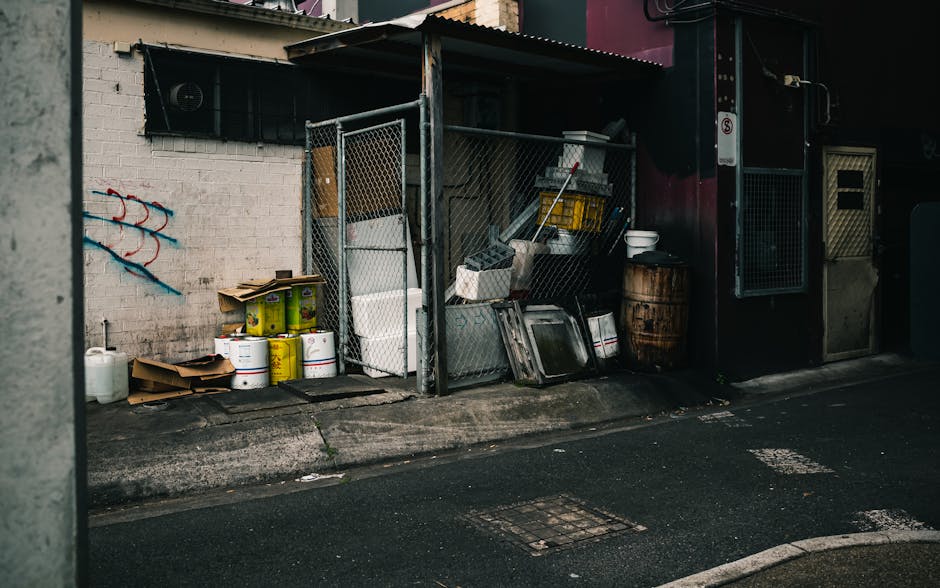
Common mistakes to avoid
Here is where people often lose money or time.
- Choosing the cheapest quote without checking details. The lowest headline price can hide add-ons.
- Misjudging the amount of waste. If you guess too low, the final cost can rise.
- Mixing waste types unnecessarily. Cleanly separating items can help the provider handle them properly.
- Ignoring access constraints. Parking problems and stair carries change the job.
- Leaving booking until the last minute. Urgent collections can be more expensive and less flexible.
- Forgetting building rules. Some properties have restrictions on timing, noise, or loading points.
Another easy mistake is not asking what happens if the team arrives and the job is bigger than expected. A clear provider will explain that before they set off. It is not rude to ask; it is smart.
And one more thing: do not assume all waste is treated the same. A box of broken chairs is not the same as plasterboard, green waste, or office electronics. The distinction matters more than people think.
Tools, resources and recommendations
You do not need a complicated toolkit to estimate rubbish removal costs, but a few simple things help.
- Phone camera: take photos of the waste from a few angles.
- Measuring tape: useful for bulky items or tight access points.
- Notepad or notes app: list what is being removed so nothing gets forgotten.
- Calendar: check building access windows, trades schedules, or move-out dates.
- Property manager contact: helpful if you need permission for loading or shared-space access.
If you are comparing services more broadly, the waste removal in Belgravia page is a useful place to understand how general collections differ from specialist clearances. For smaller, regular pickups, rubbish collection in Belgravia may be the better fit.
For one-off property clearances, the details on house clearance in Belgravia can also help you judge whether your job is a straightforward rubbish removal or something more involved. If your workload is office-related, office clearance in Belgravia may be more relevant.
Law, compliance, standards, or best practice
Any rubbish removal service in the UK should be handled carefully and responsibly. You do not need to become a waste-law expert overnight, but there are a few sensible expectations to keep in mind.
First, waste should be passed to a legitimate carrier and handled in a way that avoids fly-tipping or improper disposal. Second, certain materials need extra care, especially electricals, sharp items, plasterboard, or anything that could contaminate other waste streams. Third, if you are a business, you may need to keep better records of what leaves the premises and where it goes.
Best practice is pretty straightforward:
- Use a provider that explains disposal clearly.
- Do not leave waste on the street for long periods unless instructed and permitted.
- Keep hazardous or potentially hazardous items separate unless advised otherwise.
- Ask for clarity on how recyclable materials are sorted.
- Make sure access arrangements do not breach building rules or create safety issues.
If you are unsure about a specific item, ask before collection. That simple habit prevents a lot of awkwardness later. A little caution now usually beats a bigger problem after the van has already arrived.
Options, methods, or comparison table
Different jobs call for different removal methods. The right choice depends on urgency, waste volume, and how hands-on you want the process to be.
| Option | Best for | Pros | Watch out for |
|---|---|---|---|
| Ad hoc rubbish removal | Small one-off loads | Quick, flexible, usually simple | Costs can rise if access is poor or waste is heavier than expected |
| House clearance | Full or partial property clear-outs | Efficient for larger volumes | May be more than you need for a few bags or items |
| Office clearance | Desks, chairs, filing, mixed office waste | Good for business moves and refurbishments | Requires clear access and timing coordination |
| Builders waste disposal | Renovation or construction debris | Useful for heavier, messy, or mixed building waste | Not all debris is priced the same |
| Garden waste removal | Green waste, cuttings, soil, outdoor clear-outs | Convenient for seasonal jobs | Heavy loads and mixed materials can affect price |
So which one is right? If you have a few bags and a couple of bulky items, general rubbish removal is usually enough. If you are clearing a room, an office, or a renovation site, a more tailored service often makes more sense. Simple as that.
Case study or real-world example
Imagine a resident on Elizabeth Street who has just finished a light refurbishment. There are old cabinets, packaging, a broken mirror, some timber offcuts, and a pile of mixed household clutter that has built up over months. Nothing extreme, but enough to fill more than a car boot.
At first glance, the owner assumes it is a "small job". Then they notice the staircase is narrow, parking nearby is limited, and the items are spread across two rooms and a hallway. Suddenly, the job is no longer just about volume. It is about labour, access, and time on site.
By taking photos, grouping the waste in one area, and explaining the access issue upfront, the owner gets a far more accurate quote. The team arrives with the right expectations, the collection is finished in one visit, and the property is left ready for the next stage of work. No drama. No back-and-forth.
That is usually what good rubbish removal pricing looks like in practice: not the cheapest number on paper, but the clearest, most workable one.
Practical checklist
Use this checklist before you book:
- Have I identified all the waste items?
- Do I know whether anything is hazardous or needs special handling?
- Have I estimated the volume honestly?
- Are access details clear, including stairs, lifts, and parking?
- Have I taken photos for reference?
- Do I understand what is included in the quote?
- Have I checked the booking time and any building restrictions?
- Do I know whether the waste is from a home, office, garden, or building project?
- Have I asked about recycling and disposal practices?
- Am I comparing like-for-like prices rather than headline numbers only?
Tick these off and you are already ahead of most people. Honestly, a bit of structure saves a lot of bother.
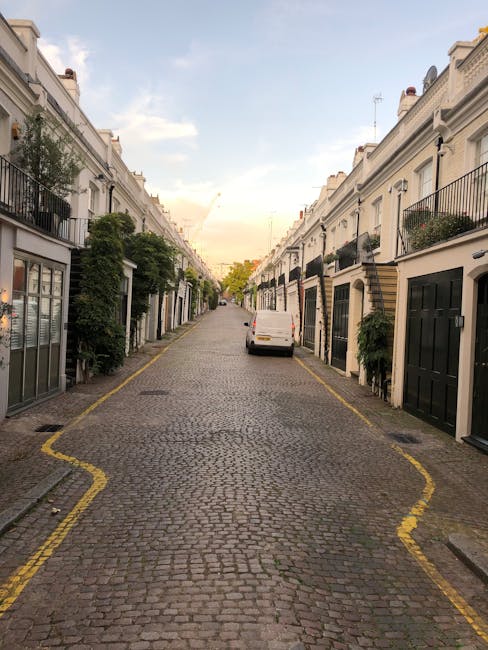
Conclusion
Rubbish removal prices Elizabeth Street Belgravia are shaped by far more than just the amount of waste. Access, labour, waste type, urgency, and disposal requirements all play a part. Once you understand those moving parts, quotes become much easier to compare and far less mysterious.
The best approach is simple: describe the job clearly, ask what is included, and look for a service that is transparent as well as efficient. That is how you avoid surprises and get real value. If your waste needs are larger, more specialised, or linked to a move, clearance, or refurbishment, it is usually worth choosing the most relevant service rather than forcing a one-size-fits-all solution.
Get a free quote today and see how much you can save.
And if you are standing in a hallway with a pile of items that has somehow become a mountain, take a breath. It is more manageable than it looks.

From a young age, Blair has cultivated a passion for order, which has now matured into a prosperous profession as a waste removal specialist. She derives satisfaction from transforming disorderly spaces into practical ones, aiding clients in conquering the burden of clutter.
 Tipper Van - Rubbish Collection and Office Waste Removal Prices in Belgravia, SW1X
 Luton Van - Rubbish Collection and Office Waste Removal Prices in Belgravia, SW1X